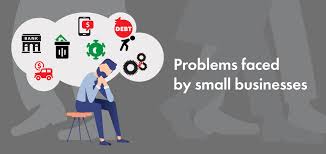
Recovering from a natural disaster is one of the most difficult phases for a small business. From accessing capital and navigating insurance claims to managing staff and rebuilding customer trust, business owners face a wide range of challenges, often simultaneously. Many struggle with limited cash flow, bureaucratic delays, and uncertainty about the future. Recognizing these common obstacles and knowing how to overcome them is crucial for a successful recovery. Resources such as SBA disaster loans, FEMA aid, and recovery consultants can help expedite the process and minimize long-term damage.
Why Is Recovery So Hard for Small Businesses After a Disaster?
Small businesses operate with tight margins and limited reserves. When disaster strikes, those vulnerabilities are immediately exposed.
Several factors make recovery more complex for small business owners:
Disruption to revenue while bills continue to accumulate.
Damage to property, equipment, or inventory, which often isn’t fully insured.
Delays in accessing disaster funding, especially for first-time applicants.
Staff displacement, especially if employees are dealing with personal losses.
Customer behavior shifts, resulting in reduced foot traffic and buying power.
Unlike large corporations, small businesses often lack backup locations, contingency plans, or financial buffers. That’s why preparation, quick action, and access to reliable resources are essential to survive the recovery phase.
How Do Small Businesses Struggle with Accessing Capital?
One of the biggest barriers to recovery is financing. Most businesses don’t have enough savings to cover months of lost income, and getting access to disaster loans isn’t always fast or easy.
Here are the key funding challenges:
Lengthy application processes for SBA loans and grants.
Lack of documentation or disorganized financial records.
Creditworthiness issues, especially after a disaster, affect the business owner’s personal finances.
Loan terms that don’t match the business’s immediate needs, such as long approval times or insufficient funding amounts.
Many small business owners aren’t familiar with the SBA Economic Injury Disaster Loan (EIDL) or how to apply. According to SBA.gov, EIDL offers up to $2 million in low-interest capital — but only if applicants meet strict criteria and submit complete documentation.
That’s why working with a recovery advisor or local Small Business Development Center (SBDC) can help you avoid costly mistakes and speed up the process.
What Challenges Come with Filing Insurance Claims?
Insurance is supposed to be a lifeline — but in reality, it’s often one of the most frustrating parts of recovery.
Common insurance-related challenges include:
Underpayment or denial of claims due to exclusions or insufficient documentation.
Lengthy wait times for inspections, adjusters, or claim approval.
Disputes over the scope of damage or repair estimates.
Complex policy language that makes it hard to understand what’s covered.
In disaster situations, business interruption insurance is especially important — yet many small business owners either don’t have it or don’t realize the coverage limits until it’s too late.
Tip: If you’re facing delays or underpayment, consider hiring a public adjuster who can advocate on your behalf and maximize your claim payout.
How Do Staffing and Workforce Issues Affect Recovery?
Disasters affect people, not just buildings. When your employees are dealing with displacement, trauma, or caregiving, your workforce may shrink overnight.
Here’s what many small business owners face:
Losing key staff members, temporarily or permanently.
Inability to meet payroll during downtime.
Reduced productivity as workers cope with personal recovery.
Recruitment challenges arise if the local population is displaced or the labor market is tight.
The loss of even one or two employees can create a domino effect, especially for businesses with fewer than 10 staff. Rebuilding your team requires flexibility, empathy, and often creative hiring strategies, such as offering remote roles or part-time positions during recovery.
What Operational Disruptions Should Owners Expect?
Even if your storefront survives the disaster, supply chains, logistics, and infrastructure may not.
Operational challenges may include:
Power outages or utility interruptions are making it difficult to reopen.
Disruptions in supplier networks, especially for perishable goods or custom inventory.
Broken equipment or lack of storage space.
Delayed shipments or rising transportation costs.
These disruptions not only delay reopening but can also hurt customer satisfaction and delay cash flow. That’s why some small businesses pivot to alternative operations — like online sales, pop-up shops, or service-based offers — until normal operations resume.
How Do You Rebuild Customer Trust and Revenue?
After a disaster, local buying power often shrinks. Consumers may have their own recovery to deal with, or they may have relocated.
Challenges with rebuilding your customer base include:
Loss of foot traffic due to closed roads, evacuated areas, or damaged infrastructure.
Changing customer needs, such as prioritizing essentials over luxury services.
Reduced marketing reach, especially if your online presence was disrupted.
Misinformation about your operating status can lead to lost opportunities.
Your best strategy is to stay visible and proactive:
Update your hours and services on Google, social media, and your website.
Communicate openly about your recovery status.
Offer loyalty discounts, community-based promotions, or flexible service options.
Partner with local organizations to amplify your message.
Don’t wait for customers to come back — invite them back with empathy and transparency.
Why Is Navigating Federal Assistance So Difficult?
Even when funding is available, navigating federal programs can be intimidating, especially for first-time applicants unfamiliar with government systems.
Common challenges include:
Complicated applications with unclear instructions.
Confusion between FEMA vs. SBA aid and what each program covers.
Duplicate paperwork requirements across agencies.
Uncertainty about eligibility, deadlines, or usage restrictions.
Programs like FEMA Individual Assistance or the SBA EIDL and Business Physical Disaster Loans are designed to help, but many business owners give up midway due to red tape.
To streamline the process:
Visit FEMA.gov to understand your eligibility.
Apply through the SBA Disaster Loan Portal.
Keep copies of everything — tax returns, bank statements, insurance policies, repair estimates, and photos of damage.
Work with a disaster recovery advisor or your local SBDC.
Getting help early can mean the difference between months of delays and a smooth funding process.
How Do Mental Health and Burnout Impact Recovery?
The stress of rebuilding a business while dealing with personal loss is overwhelming. Recovery takes a toll — physically, emotionally, and mentally.
Signs of burnout during recovery include:
Decision fatigue from juggling insurance, staff, repairs, and finances.
Emotional exhaustion, especially when timelines stretch beyond expectations.
Isolation, especially if you’re navigating recovery alone.
Loss of motivation or uncertainty about whether to reopen at all.
Small business owners often feel pressure to “be strong,” but mental health is part of business health. Don’t be afraid to ask for help, take breaks, or talk to others going through the same challenges.
Local nonprofits, business associations, and even FEMA offer emotional support resources following major disasters.
How Can You Plan for Future Disasters During Recovery?
It may feel counterintuitive, but recovery is the best time to plan for future resilience. Once you’ve seen the gaps in your operations, insurance, and finances, use that knowledge to create a stronger system.
Here’s how:
Update your business continuity plan with real-life lessons from the disaster.
Invest in cloud-based systems for customer data, orders, and finances.
Build a dedicated emergency fund, even if it’s small.
Diversify suppliers and income streams to reduce vulnerability.
Train your staff on disaster response roles and procedures.
Preparing for the next crisis isn’t pessimism — it’s smart business. Many businesses that survive one disaster don’t survive the next unless they adapt.
What Can Business Owners Do Right Now?
If you’re in the middle of recovery or just beginning the process, here’s a quick action checklist:
Document everything — photos, receipts, communications, damage, and losses.
Apply for aid through FEMA and SBA as early as possible.
Communicate with customers and staff frequently and clearly.
Negotiate with lenders, suppliers, and landlords for flexibility.
Seek professional help — whether from a public adjuster, CPA, or recovery consultant.
Connect with your local SBDC or disaster resource network for free guidance.
You don’t have to figure it all out alone. Getting help early can mean the difference between recovery and permanent closure.
Need help navigating disaster loans, insurance claims, or recovery planning?
Schedule your free consultation with the Economic Recovery Center — our team of experts can guide you through every step and make sure you access the resources you need to bounce back.